And then one day you notice a branch hanging weird after a storm. Or roots lifting pavers. Or a gum tree dropping limbs like it’s bored. Suddenly you are not thinking about “nice shade” anymore. You are thinking about safety, insurance, and whether that branch is about to smash your car.
That’s where arborists come in.
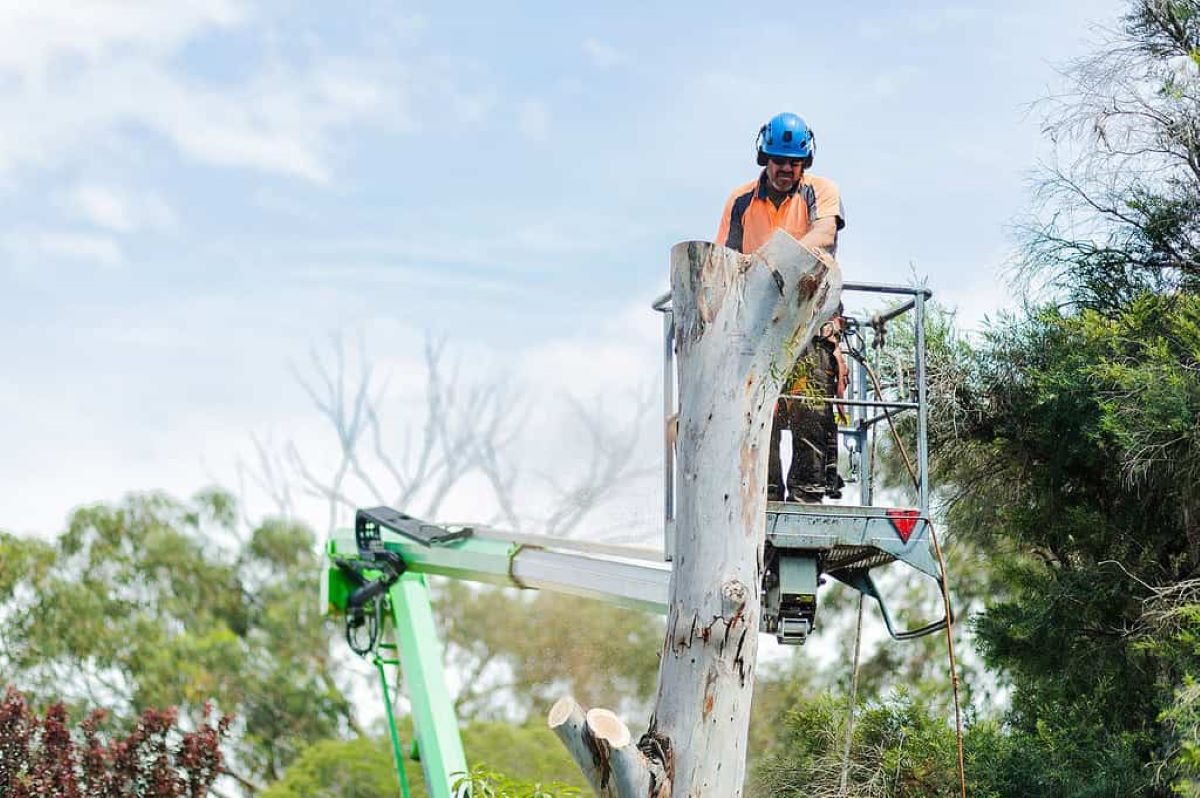
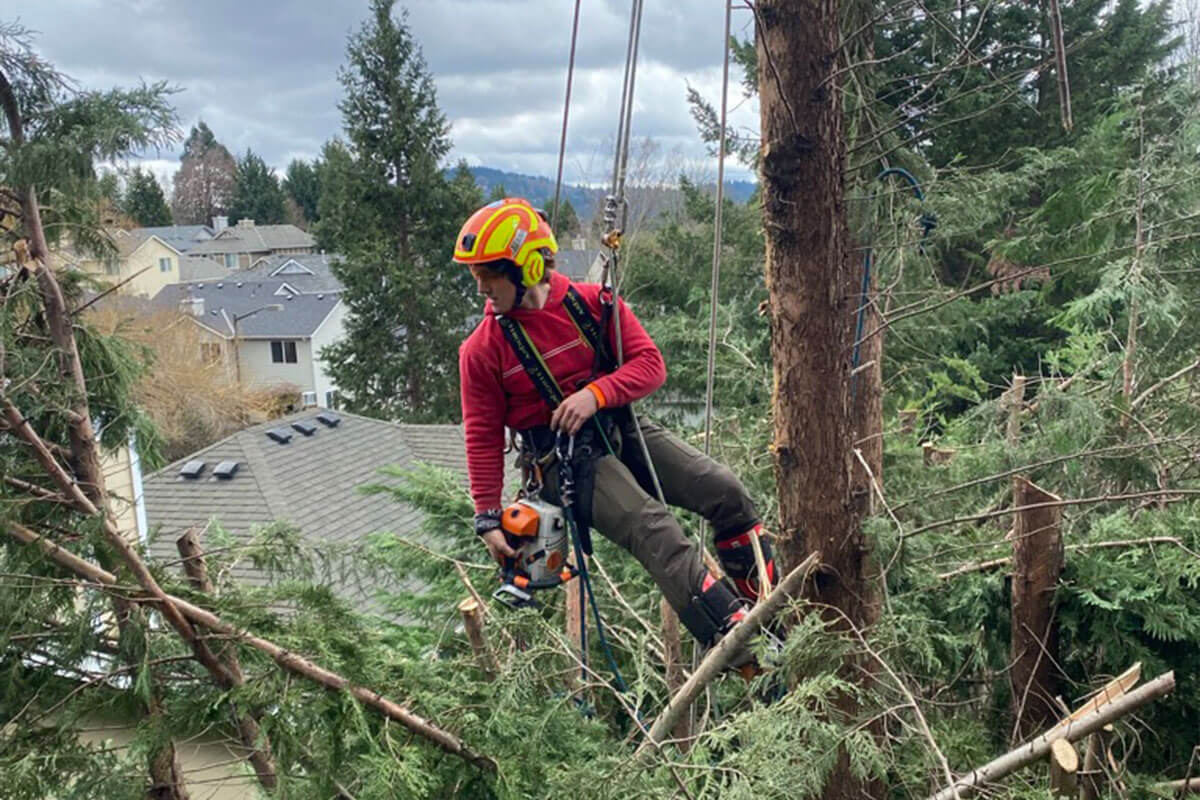
This is not the same thing as hiring a random person with a chainsaw. A qualified arborist understands tree structure, biology, risk, council rules, and how to do work without quietly killing the tree over the next 18 months. If you want trees that look good and stay safe, arborist services Sydney homeowners book each year are honestly just basic home maintenance, right up there with gutter cleaning. Property owners seeking professional guidance on tree health, risk management, pruning, removals, and ongoing landscape care can find additional information at https://arborpride.com.au/, where qualified arborists provide comprehensive tree care services across Sydney.
Below are the seven services worth putting on your annual list. Some you will do every year, some you will rotate depending on the tree type and what your property is doing. But all of them? Useful. And in Sydney’s weather, pretty relevant.
1. Annual tree health inspection and risk assessment
This is the boring one. Also the most important one.
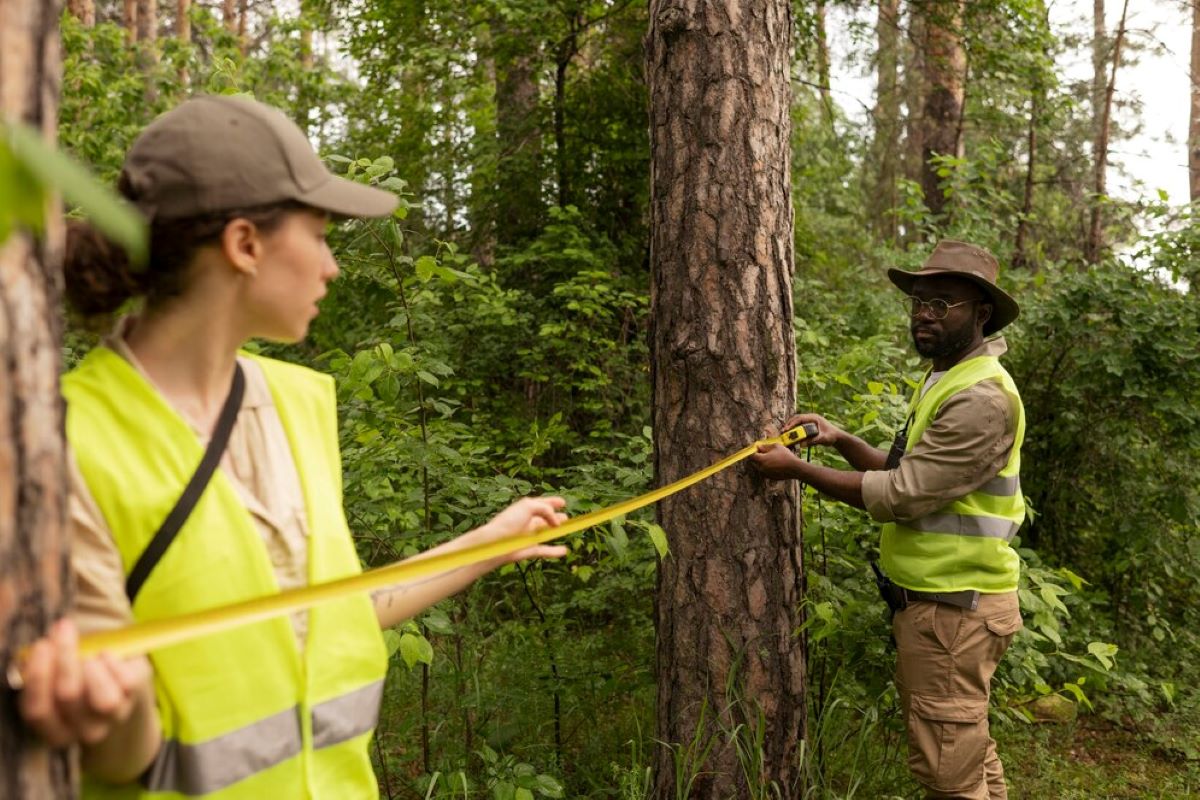
A proper annual inspection is where an arborist walks the property, looks at each significant tree, and checks for the stuff most of us miss. Things like:
- Deadwood up high that you cannot see from ground level
- Cracks in major unions (where big limbs join)
- Lean that has changed since last season
- Termite activity in older trunks
- Cavity formation, rot pockets, fungal fruiting bodies
- Poor previous pruning cuts that are now failing
- Root zone damage from construction, trenching, compacted soil
In Sydney, this matters because we get periods of heavy rain, wind events, and then long dry stretches. That stress cycle can turn “fine” into “not fine” quickly.
A good arborist will also tell you what is urgent vs what can wait. That saves you money because you are not panic booking removal work for something that could have been handled with light pruning.
If you are trying to be responsible about it, start here. Most arborist services Sydney people think they need are actually discovered in the inspection, not guessed at after a branch drops.
2. Structural pruning (done properly, not “lopping”)
Pruning is where a lot of tree damage happens. Not because pruning is bad. Because bad pruning is common.
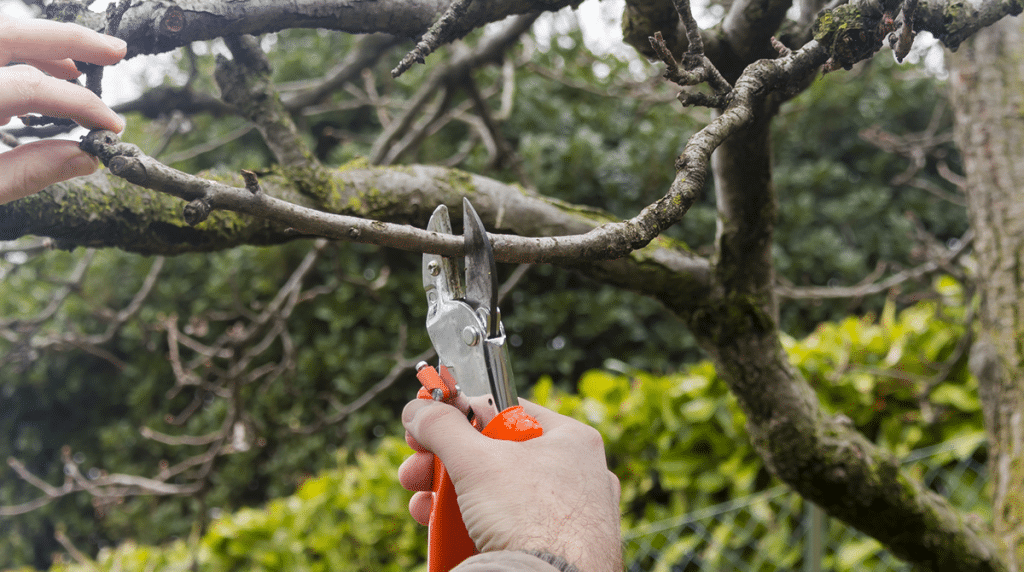
Structural pruning is focused on shaping the tree for strength and longevity. It usually includes:
- Reducing competing leaders (so you do not get weak forks later)
- Removing crossing or rubbing branches
- Thinning small internal growth to reduce wind sail
- Clearance from roofs, gutters, power lines, and fences
- Removing dead, diseased, or damaged limbs
What it does not include is hacking the canopy back to stubs because you want more sunlight on the lawn. That is “lopping” and it often triggers fast, weak regrowth. Which then needs more cutting. Which then makes the tree worse. It becomes this expensive cycle.
In Sydney, you see this with gums and some ornamental trees that were “topped” years ago. The regrowth can be heavy, poorly attached, and more likely to fail in wind.
So yes, book pruning. But book it as proper arborist pruning, with clear objectives. When done right, arborist services Sydney homeowners rely on for pruning reduce hazard and also keep the tree looking natural.
A decent schedule for many properties is a light prune annually, then a more involved prune every few years. It depends on species, age, and location. Your arborist should explain the why, not just quote the cut.
3. Deadwood removal and canopy clean out
Some trees drop dead branches regularly. Others hold on to them until a storm comes along and does the clearing for you. Guess which one you would rather deal with.
Deadwood removal is exactly what it sounds like, but there is a bit more to it. A canopy clean typically includes:
- Removing dead, dying, and broken limbs
- Cleaning up hangers (branches caught in the canopy)
- Removing storm damaged sections before they tear further
- Light selective thinning for airflow and light
This is one of those services that feels optional until you have kids playing underneath, or you park under the tree, or your neighbour starts mentioning “those branches” every time there is a breeze.
Also, deadwood can be a sign of stress. Drought, pests, root issues, soil compaction, disease. A good arborist will not just remove it and disappear. They will tell you what they think is causing it.
If you only book one physical tree work service annually, deadwood removal is a strong candidate. It is one of the most practical arborist services Sydney homeowners can book, because it reduces risk fast without over pruning.
4. Tree pest and disease checks (plus targeted treatment)
Sydney has its share of tree problems. Psyllids on lilly pilly. Borers. Scale. Fungus issues that show up after wet periods. Root rot in poorly draining areas. Stress from heat and drought that makes trees more vulnerable to everything else.
A yearly pest and disease check is not about spraying the whole yard “just in case”. It is about finding issues early and treating only what needs treating.
An arborist might check for:
- Leaf discoloration patterns, curling, or unusual drop
- Sap bleeding, frass (insect dust), exit holes
- Fungal bodies at the base or on the trunk
- Dieback at tips or in certain canopy sections
- Signs of stress, like epicormic growth on the trunk
If treatment is needed, it could be as simple as soil improvement and mulching. Sometimes it is targeted horticultural oil. Sometimes it is a pruning strategy to remove infected material. Sometimes, honestly, the recommendation is to monitor and not overreact.
Good arborist services Sydney providers are conservative in a smart way. Trees do not need constant chemical intervention. They need correct diagnosis, and then a plan.
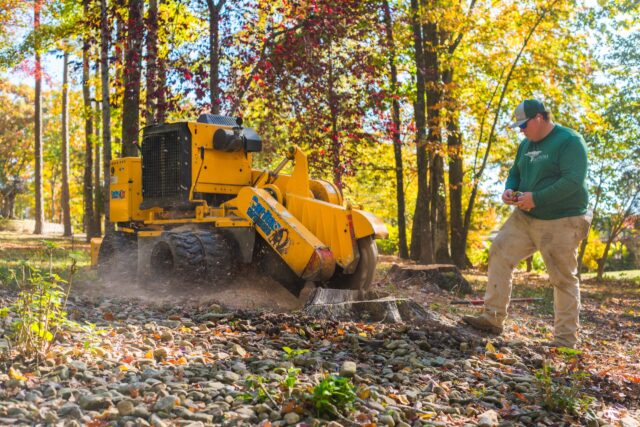
5. Root zone care: mulching, soil improvement, and compaction relief
Most homeowners obsess over what is happening above ground. Canopy size, leaf drop, branches. But the root zone is where the real long term health is decided.
Sydney yards can be rough on roots. Construction and renovations are common. People pave more area. Park cars on lawns. Put garden beds up against trunks. Let soil bake dry for months. Check out more about managing land and soil.
Annual root zone care can include:
- Mulch application (correct depth and correct distance from the trunk)
- Soil conditioning and organic matter improvement
- Aeration to relieve compaction
- Guidance on irrigation during heat waves
- Root collar excavation if the base is buried too deeply
- Assessment of root damage near driveways or retaining walls
Mulch sounds simple, but it is easy to mess up. Mulch volcanoes piled against the trunk can encourage rot and pests. Too thick can reduce oxygen. Too thin does nothing. The “right” approach is pretty basic, but it needs to be done consistently.
This is one of the more underrated arborist services Sydney homeowners should look at, especially if you have mature trees you want to keep for decades. You cannot buy a 40 year old tree at Bunnings and just pop it in later. Keeping what you have is the move.
6. Storm preparation and post storm response
Sydney storms are chaotic. One street gets smashed, the next street is fine. Wind direction matters, soil saturation matters, and some trees are just built in a way that makes them more likely to fail.
A smart annual service is storm preparation, especially before the storm season ramps up. This can involve:
- Removing high risk deadwood
- Reducing end weight on long, overextended limbs
- Checking weak branch unions
- Identifying trees with structural defects that need monitoring
- Making sure clearance is maintained over roofs and access ways
Then, if a storm hits, you want a clear plan for what happens next. Post storm response might include:
- Making the site safe (hangers, split limbs, unstable trunks)
- Damage assessment and documentation (useful for insurance)
- Corrective pruning to prevent tearing and decay
- Recommendations on whether the tree can be saved
Here is the thing. Post storm work is not the time for experimental DIY chainsawing. Tensioned limbs can kick back. Partially failed trees can shift suddenly. And if you do the wrong cut, you can turn a salvageable tree into a removal.
This is where professional arborist services Sydney homeowners can access quickly really matters. Because after storms, everyone calls at once. If you are already on a maintenance schedule, you usually get better response.
7. Council compliance, permits, and protected tree management
Sydney councils can be strict about tree removal and major pruning, and it varies depending on where you live. Some areas have significant tree registers. Others have rules based on trunk diameter, species, or whether the tree is in a heritage or conservation zone. And if you are in strata, there is another layer.
This is where hiring a qualified arborist is not just helpful, it is protective. They can help with:
- Arborist reports for council applications
- Risk assessments and documentation
- Tree protection plans for construction or renovations
- Advice on what work is allowed without approval
- Navigating neighbour disputes about overhanging branches and risk
A lot of homeowners only learn about the rules after they have already done the work. And then it gets awkward. Fines are a thing. Orders to re plant are a thing. Conflict with neighbours can drag on.
So yes, put compliance support on your annual list, even if it is just a quick review. Many arborist services Sydney providers will flag council issues during inspections anyway, but it helps to make it explicit when you book.
If you want a low stress routine, here is a practical way to think about it. Not perfect for every property, but a good baseline.
Every year
- Tree health inspection and risk assessment
- Deadwood removal and canopy clean
- Pest and disease check (even if it is brief)
Every 1 to 3 years (depending on growth)
- Structural pruning
- Storm preparation pruning if you are in an exposed area
Ongoing, but reviewed annually
- Root zone care, mulch, compaction relief
- Council compliance check if you are planning renovations or removals
The point is not to over service trees. The point is to avoid neglect, then panic, then expensive emergency work.
And yes, a lot of this can be bundled. Many arborist services Sydney companies will offer an annual visit that includes inspection, minor pruning, deadwood removal, and advice on the rest.
Since we are talking about letting someone climb and cut living structures near your house, you want to choose carefully.
A few things to look for:
- Qualifications and experience (ask, do not assume)
- Proper insurance (public liability at minimum)
- Clear scope of work, not vague “trim tree” wording
- Willingness to explain cuts and outcomes
- Respect for tree biology, not just “we can cut it back hard”
Also, trust your gut a little. If someone is pushing removal immediately without explaining alternatives, or they promise they can “top it and it will be fine”, that is a red flag.
Good tree work is not rushed. Good arborist services Sydney work usually comes with a bit of conversation, a bit of thinking, and a plan that makes sense.
Trees are an asset, until they are a liability. The difference is maintenance.
Book the right arborist services Sydney homeowners should book annually, and your yard stays safe, your trees stay healthier, and you avoid those awful surprise moments. The branch on the roof. The emergency call out. The neighbour dispute that somehow becomes a six month saga.
Start with an inspection. Add pruning where it is actually needed. Keep an eye on pests and roots. And do not wait for the next storm to find out what has been quietly going wrong up there.
Related : What a Project Arborist in Sydney Does That a Standard Arborist Won’t