Trimming is the maintenance work that keeps trees off your roof, out of your gutters, and clear of the driveway, and it is by far the most frequently requested tree job in the country. It is also the work where the difference between a professional and an enthusiast is most visible, though the evidence takes a few years to appear. Good tree trimming services remove specific material for specific reasons. Poor ones remove whatever is convenient from the ground, and the tree spends the next decade compensating for it.
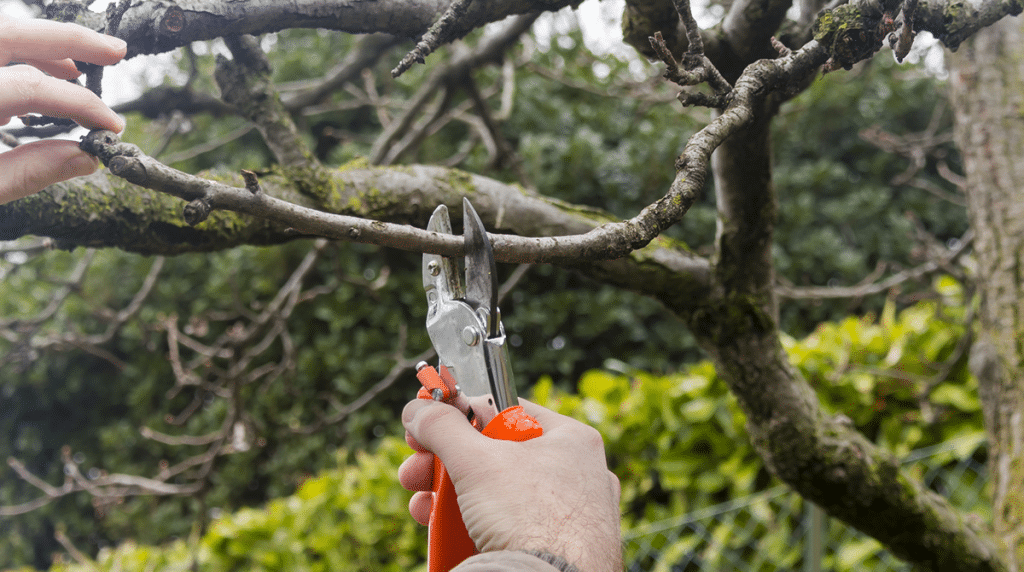
The reason precision matters comes down to biology. Trees do not repair wounds; they seal over them, growing new tissue around damage that remains inside the trunk permanently. Every cut is therefore a decision the tree lives with. A well-placed cut just outside the branch collar closes cleanly within a season or two. A flush cut or a leftover stub never seals properly and becomes an entry point for decay. That is the entire technical argument for hiring crews with formal arboriculture training behind them rather than the cheapest available option.
The Standard Types of Trimming Work
Professional tree trimming services work is described in defined categories. Crown cleaning removes dead, dying, diseased, and broken branches, which is the highest-value job because it eliminates the material most likely to fall. Crown thinning selectively removes interior growth to improve light and air movement without changing the tree’s outline. Crown lifting removes lower limbs to gain clearance over paths, driveways, and roofs. Crown reduction shortens specific limbs back to suitable laterals to reduce size or leverage. Deciding which of these you need is the first question a competent contractor should ask.
Clearance Around Buildings and Services
Most trimming requests start with a clearance problem: branches on the roof abrading tiles, leaves filling gutters, limbs blocking a driveway sightline, or growth creeping toward the service line. Roof clearance of one to two metres is a sensible tree trimming services target, which also reduces the pathway rodents and possums use to reach your roof space. Anything approaching electrical conductors is a different matter entirely and requires coordination with the network operator. Reputable tree trimming services will decline that work rather than improvise around live wires.
- Crown cleaning to remove deadwood and broken limbs
- Crown thinning for light penetration and air movement
- Crown lifting for roof, path, and driveway clearance
- Selective reduction of overextended or heavy limbs
- Formative pruning on young trees to build sound structure
Timing Through the Seasons
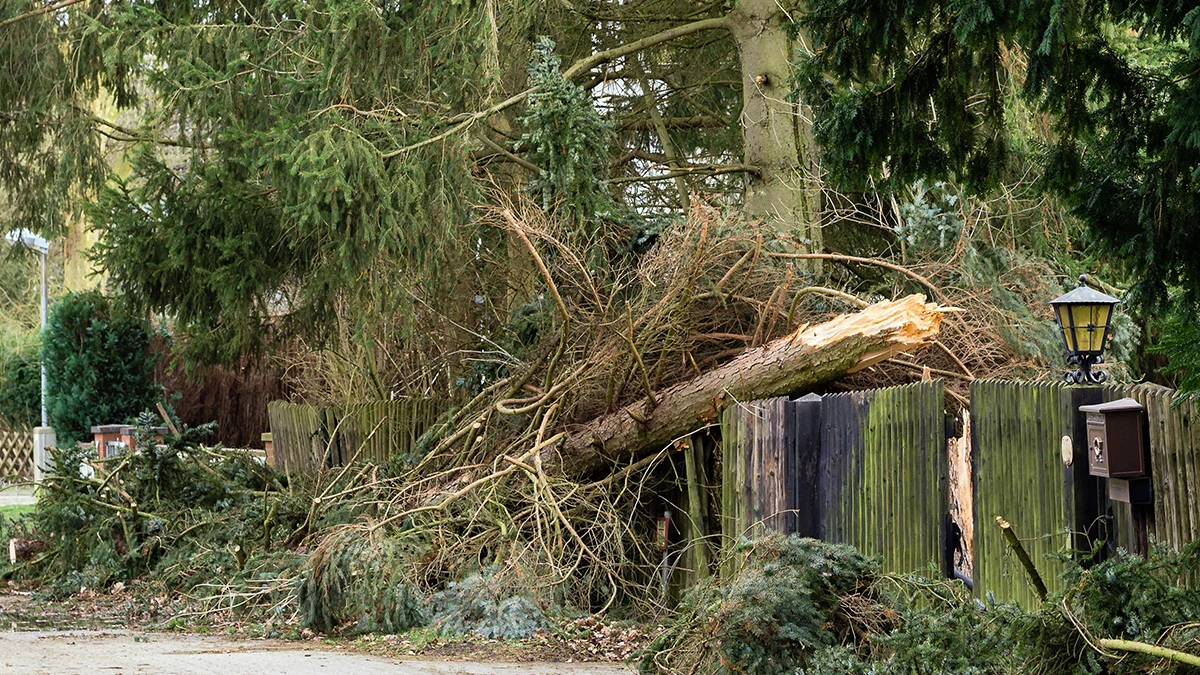
Season affects how a tree responds. Late winter suits structural work on deciduous species, since the framework is visible and the spring flush seals wounds quickly. Light summer trimming slows growth, useful for size control, but heavy work in extreme heat risks scalding a newly exposed trunk. Humid, wet periods raise infection pressure for species vulnerable to airborne pathogens, so major cuts are better deferred. Autumn is the practical window for pre-storm deadwood removal. Dead and hanging limbs, naturally, are removed the moment they are found regardless of the calendar.
Hedges, Palms and Formal Shapes
Not everything is a shade tree, and different forms need different handling. Hedges rely on frequent light trimming to hold a dense outer face, and cutting back into bare interior wood on species that will not reshoot leaves a permanent hole. Palms are not trimmed at all in the conventional sense; dead fronds and spent flower or fruit stalks are removed, and cutting into the crown kills the plant outright since there is only one growing point. Topiary and formally shaped specimens need consistent intervals to hold their outline. Fruit trees follow their own pruning logic tied to fruiting wood, which is why a general trimming crew is not always the right choice for an orchard.
How Often, and How Much at Once
Young trees respond well to light formative trimming every two to three years, and it is the cheapest structural work you will ever buy: correcting a competing leader at three metres is trivial, while correcting the same defect at fifteen metres needs a crew and a rigging plan. Mature trees generally settle into a three to five year tree trimming services cycle. Fast-growing species near buildings or power lines need more frequent attention. Whatever the interval, conservative removal of live canopy in any single visit is the rule, since a tree stripped hard loses the capacity it needs to recover. Annual inspection with trimming only where it is warranted beats cutting to a fixed schedule regardless of condition.
Working Safely at Height
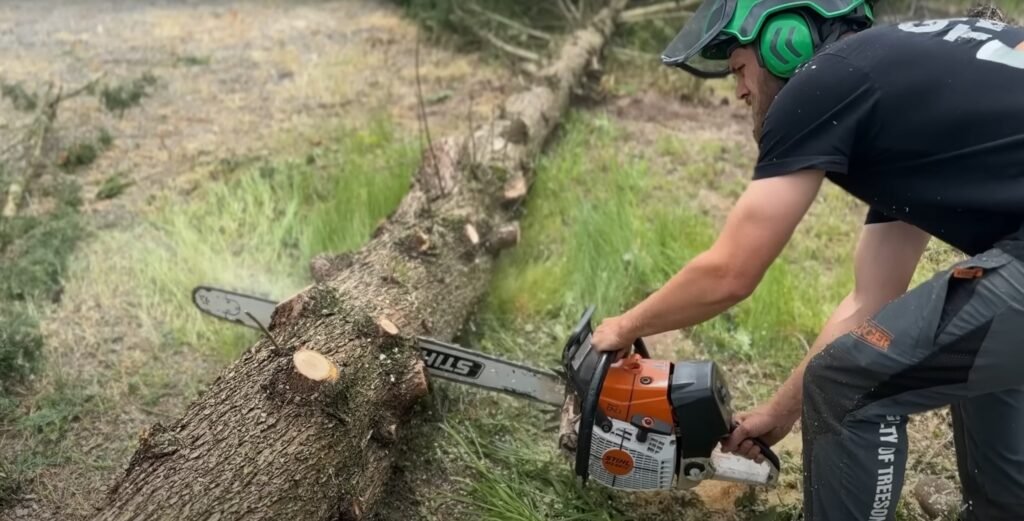
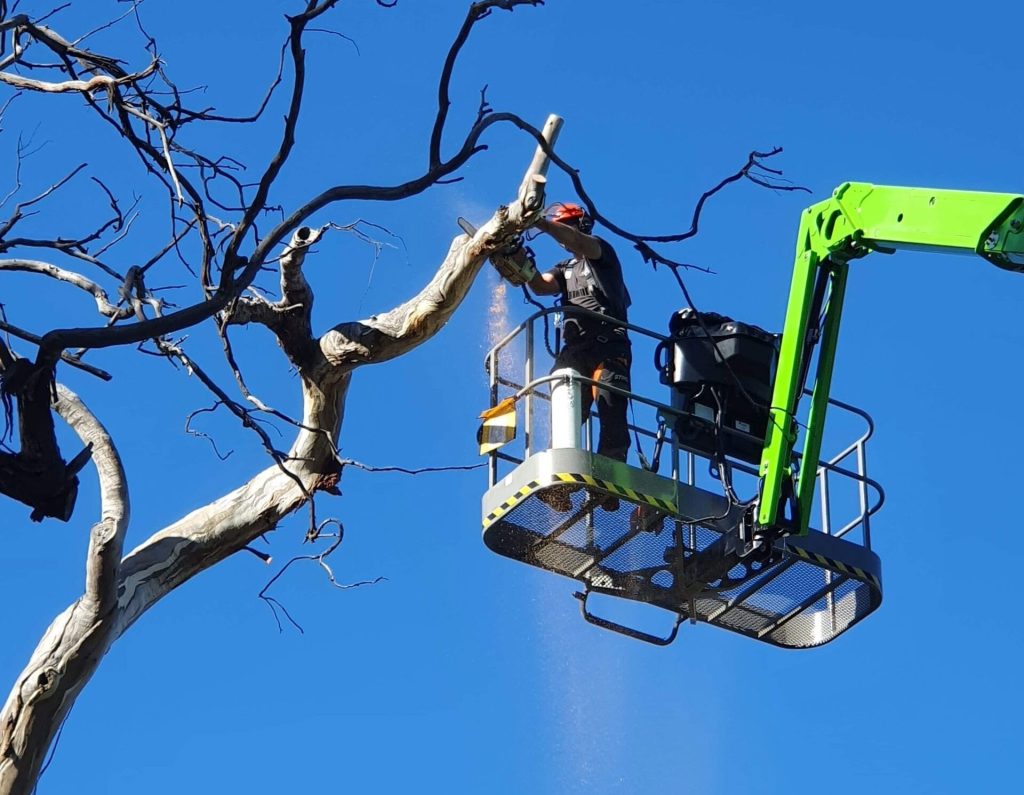
Trimming is overwhelmingly work at height with a running saw, which is precisely the combination behind the industry’s injury statistics. Regulator guidance on working safely with trees sets out the expected controls: correct access selection, inspected climbing systems or an elevated work platform, drop zone management, and defined clearances from overhead powerlines. Ladders and domestic chainsaws are the pairing that fills emergency departments each summer. Professional crews also post a ground worker whose only job is watching the climber, which is the difference between an incident and a fatality.
Choosing a Provider
Ask a prospective contractor to describe exactly what they intend to remove and why. Specific answers, this deadwood, that limb over the gutter, roughly this proportion of live canopy, indicate someone who understands the work. Vague offers to take it back a third and tidy it up do not. Confirm certification and insurance, and ask for photos of jobs completed two or more years ago rather than the day of completion. Well-executed tree trimming services look almost unnoticeable afterwards, and that restraint is exactly what you are paying for. Get the scope in writing, including whether green waste removal is included, and confirm who is responsible for clearing gutters if roof clearance work is part of the job. Those two details account for most of the disagreements that arise after otherwise good work.