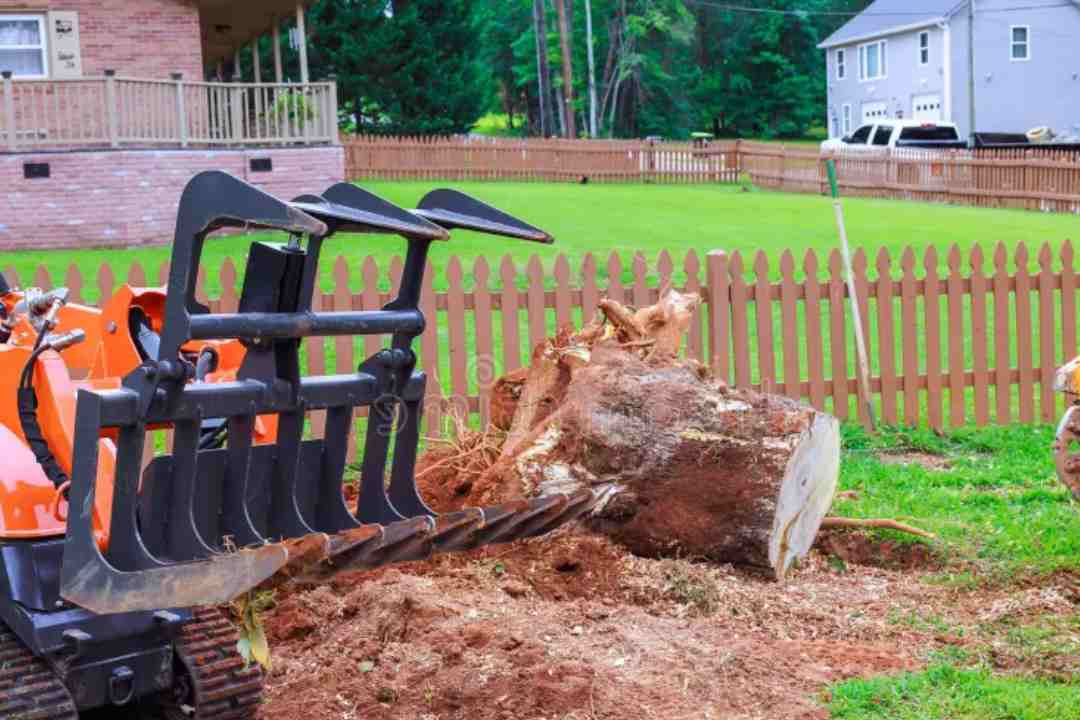
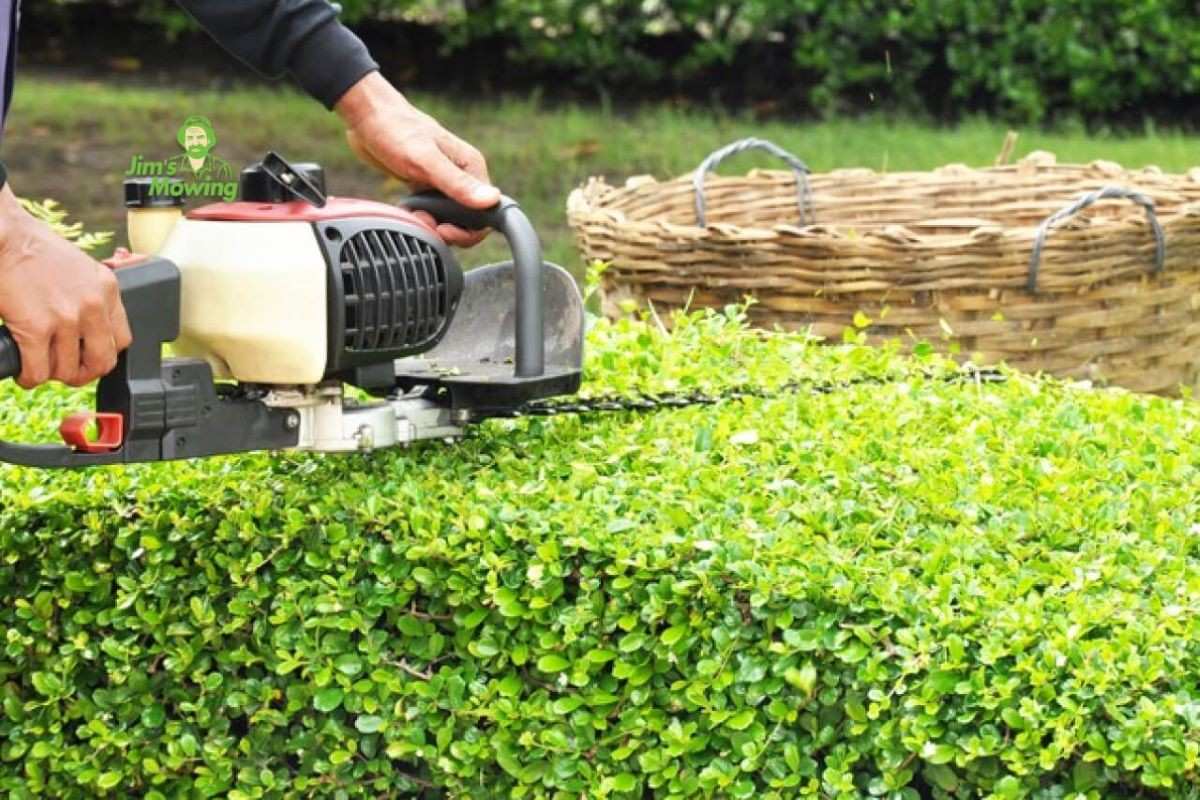
And yeah, a standard arborist can absolutely help with a lot of that. Pruning. Removals. Stump grinding. Basic health checks. The normal stuff.
But once a job stops being just a tree job and starts becoming a site job, a development job, a compliance job, that is where the gap appears. This is usually the moment people start hearing the phrase Project Arborist in Sydney and wonder if it is just fancy wording.
It is not. It is a different kind of service, and honestly, it can save you from some painful delays and very expensive rework.
The quick difference, in plain terms
A standard arborist is usually brought in to do tree work.
A Project Arborist Sydney is brought in to manage trees as part of a bigger project. Construction, demolition, subdivision, renovations, civil works, road upgrades, drainage, you name it. Trees become one moving part in a much larger machine, and they have to be documented, protected, assessed, and signed off correctly. Not just cut neatly.
That is the core difference. Context. Accountability. Paperwork that matters. Coordination with other trades. And knowing how councils and approvals actually play out in the real world.
A standard arborist focuses on the tree. A project arborist focuses on the whole site
Standard arborists will inspect a tree and recommend what should happen to it.
A Project Arborist in Sydney does that too, but then takes the next steps that most standard arborists simply are not set up for.
They look at:
- What is being built and where
- How close excavation comes to the tree protection zone
- Whether machinery access is going to compact soil
- Whether fencing needs to be moved as stages progress
- Whether pruning needs to be timed with demolition or slab pours
- What council conditions require on paper, and how to satisfy them on site
It is less about doing one task well, and more about running a sequence properly so the job does not blow up later.
They handle council and compliance realities, not just tree health
Here is where things get messy for people. You can have a totally reasonable plan. Keep the tree. Protect it. Build around it.
Then council conditions land. Or a certifier asks for documentation. Or a neighbour complains. Or a contractor damages roots and suddenly everyone is looking for someone to blame.
A Project Arborist in Sydney is used to working inside that environment. They prepare reports that match what councils expect, and they understand the language and standards that get referenced in approvals. They also help you avoid the common mistake of getting a report that looks professional but does not actually satisfy the consent conditions.
A standard arborist might be brilliant with a chainsaw and pruning technique, but that does not automatically translate into managing compliance for development sites.
Tree Protection Plans and Tree Management Plans (the stuff that makes or breaks builds)
This is one of the biggest “project” differences.
On many sites, you need documented tree protection measures. Not a quick note. Actual plans. Tree locations. Protection zones. Fencing specs. Mulch depths. Signage. Access routes. No dig zones. Monitoring.
A Project Arborist in Sydney produces, refines, and updates these plans, then makes sure they are actually followed. And that part matters, because it is not enough to create a plan and file it away. If the fencing is missing on day one, or gets moved by a contractor on day ten, the plan means nothing.
This is a big reason developers and builders bring in a Project Arborist in Sydney early. It is much cheaper to prevent damage than to argue about it later.
On site supervision and monitoring during construction
This one surprises homeowners sometimes. They assume an arborist shows up once, does the job, and leaves.
A Project Arborist in Sydney might attend site multiple times across the build. Especially at key stages like:
- Before demolition starts
- Before excavation near trees
- Before services trenching
- During structural root pruning (when required)
- After major works to check stability and canopy response
- At practical completion, if a compliance sign off is needed
They are there to catch issues before they become irreversible. A standard arborist generally is not engaged in that ongoing way unless you specifically push for it, and even then, many do not offer it as a structured service. Read more about the top 7 arborist services Sydney homeowners should book annually.
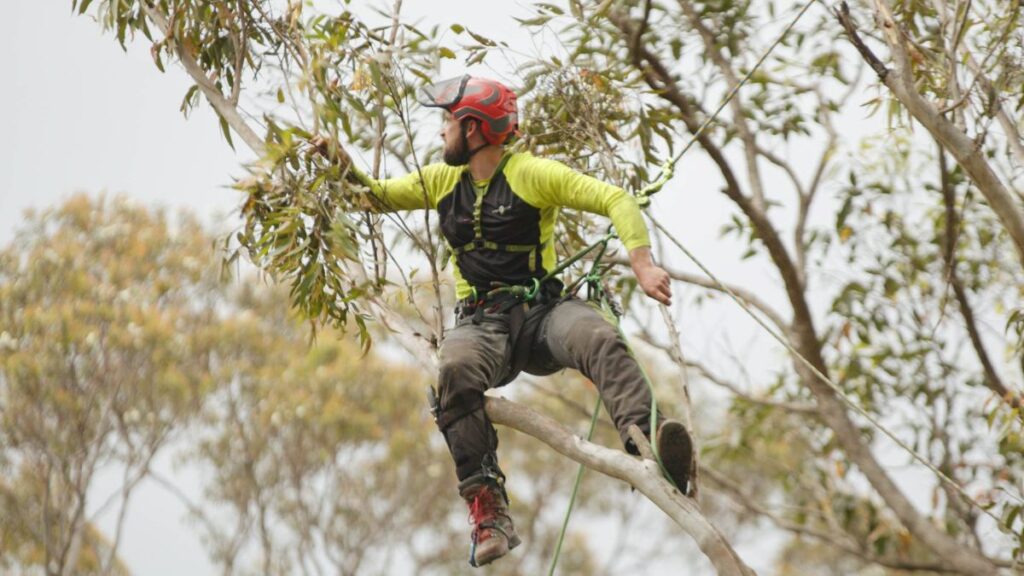
They coordinate with builders, engineers, surveyors, and certifiers (without slowing everyone down)
Tree work can be straightforward until you add a timeline. Then it becomes chaos.
A Project Arborist in Sydney is used to working alongside builders and other consultants. They understand that a site has a program. People need answers quickly. Work cannot stop for three weeks while someone debates a pruning cut.
So they tend to be more practical, more systems based. They will:
- Mark trees and protection zones clearly
- Explain constraints to site supervisors in plain language
- Provide written instructions that can be handed to subcontractors
- Attend short site meetings and document decisions
- Confirm when works are acceptable so trades can proceed
That coordination is honestly half the value. Because a tree can be perfectly healthy and still get destroyed by one poor access decision.
They deal with “can we keep it” decisions using evidence, not vibes
A lot of Sydney projects hit the same question.
Can we keep the tree and build anyway?
A standard arborist might answer based on general tree health and structure.
A Project Arborist in Sydney will add feasibility thinking. They will look at the proposed footprint, excavation depth, future finished levels, driveway gradients, and likely impacts on roots and drainage. Then they can tell you if retention is realistic, or if you are setting yourself up for a tree decline claim two years later.
And if retention is possible, they will usually outline exactly what has to happen to make it viable. Not just “install fencing” but where, when, and how strict it needs to be.
They understand risk in a different way (especially with legal and insurance consequences)
If a tree fails and damages property, it is serious. If a retained tree fails after construction, and the argument becomes “you damaged the roots during the build”, it gets even more serious.
A Project Arborist in Sydney is often thinking about defensibility. Documentation. Photo records. Site notes. Monitoring logs. Clear recommendations. Clear limitations. They help create a paper trail that shows reasonable care was taken.
A standard arborist can still document things, sure. But project work tends to require a higher level of detail and traceability, because multiple parties are involved and liability can bounce around.
They handle tree removal approvals and offsets more strategically
In Sydney, tree removal is not just a matter of wanting more sunlight. Councils have rules. Some trees are exempt. Some are not. Some are on boundaries. Some fall under development consent conditions. Some require replacement plantings or payments.
A Project Arborist in Sydney can guide how to approach removals so you do not accidentally create a planning problem. They can also advise on staging. For example, removing a tree too early might trigger complaints or enforcement, while removing it too late might halt construction. Timing matters.
And if replacement planting is required, they can recommend species and planting details that are actually likely to be accepted, not just “plant something native” and hope nobody checks.
They can save a project from the classic “we built too close” mistake
This happens constantly.
A build is designed. A tree is noted. Everyone agrees to protect it. Then the reality of excavation arrives and suddenly the fence line is in the way, or the driveway needs another 300mm, or the retaining wall has to shift.
A Project Arborist in Sydney is often brought in to solve these mid build problems. Sometimes it is about redesigning protection zones. Sometimes it is about root investigation, air spade works, or controlled root pruning. Sometimes it is simply about calling it early and recommending removal before the project gets stuck.
A standard arborist can help, but project arborists tend to be more experienced with these “site physics” moments where everything becomes a compromise.
So when do you actually need a project arborist?
Not every job does. If you are pruning a jacaranda away from the roof, you probably do not need a Project Arborist in Sydney.
But you should seriously consider one if:
- You are building or renovating near established trees
- You need council approval or are under a development consent with tree conditions
- You are a builder who has to meet tree protection requirements on multiple sites
- You are doing civil works, drainage, trenching, or driveway construction near trees
- You want to retain trees and avoid later decline, complaints, or liability
- You need ongoing monitoring and sign off, not just a one time quote
Basically, if trees are part of the project constraints, not just part of the garden, a Project Arborist in Sydney makes sense. You may like to visit https://www.planning.nsw.gov.au/assess-and-regulate/development-assessment/your-guide-to-the-da-process/getting-started/do-i-need-consent-from-my-council to learn if you need consent from your council.
What to ask before you hire one (quick checklist)
If you are comparing options, ask:
- Have you worked on construction sites and monitored works before?
- Can you provide Tree Protection Plans and written site instructions?
- Will you attend site at key stages, and how fast can you turn around advice?
- Do your reports align with relevant Australian Standards and local council expectations?
- Can you coordinate directly with my builder or certifier?
The answers will tell you pretty quickly if you are talking to a standard operator, or someone who genuinely works as a Project Arborist in Sydney.
Final thought
A standard arborist is essential for everyday tree work. No question.
But a Project Arborist in Sydney is the person you bring in when the tree is not the whole job, it is the risk sitting inside the job. The thing that can delay approvals, trigger conditions, cause disputes, or quietly die after construction and create a whole new problem.
If you are building near trees, do yourself a favour and treat it like a project issue from the start. Because once concrete is poured and roots are cut, there is no undo button.