
Engaging an arborist in North Sydney helps property owners reduce that risk with trained assessment, targeted tree work, and ongoing maintenance that prioritises safety over guesswork.
What property safety risks do trees commonly create in North Sydney?
Trees can threaten roofs, fences, cars, footpaths, and people when they fail. An experienced arborist North Sydney property owners trust can assess common risks such as deadwood, unbalanced canopies, unstable root systems, and limbs overhanging high-use areas like driveways and walkways.
Even healthy-looking trees can drop branches in storms or extreme heat, especially if they have internal decay, past pruning damage, or pest pressure that is not visible from the ground. Consulting a qualified arborist North Sydney residents rely on helps identify hidden issues before they become serious hazards.
How can an arborist spot hazards that owners usually miss?
An arborist is trained to assess structure, load, defects, and tree health in a way most owners cannot. They look for weak unions, cracks, included bark, fungal fruiting bodies, hollowing, decay patterns, and poor past pruning that increases failure risk.
They also consider site factors such as slope, drainage, soil compaction, construction damage, and exposure to wind. This matters because a tree’s safety is not just about the trunk. It is also about what is happening above and below ground.
Why does professional pruning improve safety more than DIY trimming?
Professional pruning reduces risk by removing weight from unsafe limbs, improving canopy balance, and clearing targets like roofs and powerlines. Done properly, pruning can lower wind resistance and reduce the chance of large limb failure.
DIY trimming often creates hazards instead. Poor cuts can cause decay, stimulate weak regrowth, and leave heavy, unbalanced limbs. An arborist typically prunes with tree biology in mind, which protects both safety and long-term structure.
When does tree removal become the safest option?
Removal may be the safest option when a tree is dead, structurally compromised, severely leaning with root plate issues, or positioned where failure would likely cause serious damage. An arborist can advise whether the risk can be managed with pruning and bracing or whether removal is the responsible choice.
They also plan removals to control drop zones and minimise impact on nearby buildings, neighbours, and gardens, which is critical in tight North Sydney blocks.
How can an arborist reduce the risk of storm damage?
Storm damage is often a predictable outcome of poor structure or neglected maintenance. An arborist reduces storm risk by identifying weak points early and correcting them through selective pruning, canopy reduction, or removal of hazardous deadwood.
They can also recommend proactive work before storm season, especially for trees with long, overextended limbs, dense canopies, or previous storm wounds. This approach usually costs less than emergency callouts and repairs after damage occurs.
What role do roots play in property safety and infrastructure damage?
Roots affect stability and can also damage paving, retaining walls, and drainage lines. An arborist assesses root health and anchorage, especially when there are signs such as soil lifting, new leaning, cracking in the ground, or canopy dieback.
They may also advise on root zone protection during renovations. Construction is a common cause of tree failure because trenching, compaction, and grade changes can weaken the root system without obvious immediate symptoms. Check out more about maintaining trees at work and public areas.
How does working with an arborist help with neighbours and shared liability?
In dense areas, overhanging limbs and boundary trees can quickly become a dispute. An arborist provides documented assessments and clear recommendations, which helps owners make informed decisions and communicate with neighbours in a practical way.
If a tree causes damage and neglect is involved, liability can become a serious issue. Engaging a qualified professional and keeping records of inspections and completed work can help show that reasonable steps were taken to manage risk.
Why is compliance and local knowledge important in North Sydney?
Tree work is not always as simple as cutting a branch. Depending on the location and the tree, rules may apply around protected species, significant trees, and council requirements. An arborist familiar with North Sydney conditions is more likely to flag compliance issues early and guide owners toward safer, lawful decisions.
Local knowledge also matters for species behaviour. Different trees fail in different ways, and an arborist who understands local species can better predict risk and maintenance needs.
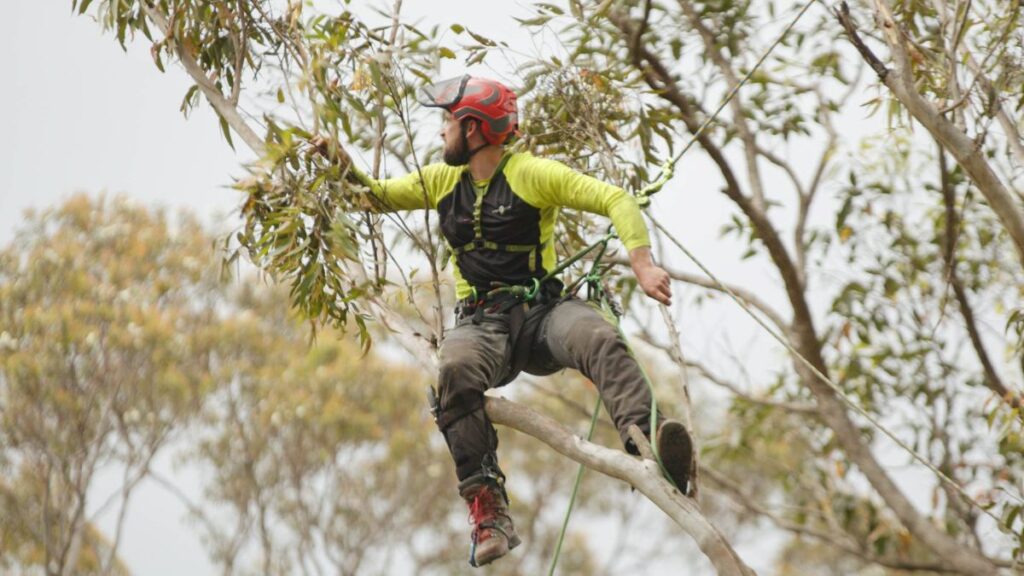
How can regular arborist inspections lower long-term safety costs?
Regular inspections help owners act while problems are small. Removing deadwood, correcting structure, and monitoring defects over time is usually cheaper than emergency removals, insurance excesses, and building repairs.
A practical schedule might include an inspection after major storms, before property renovations, or every one to two years for mature trees near structures. The result is fewer surprises and a clearer maintenance plan.
What should owners look for when choosing an arborist in North Sydney?
They should look for relevant qualifications, insurance, and a willingness to explain risks and options clearly. A good arborist will inspect before quoting, discuss safety priorities, and recommend the least invasive solution that manages risk effectively.
They should also provide clear scope, cleanup expectations, and a plan for complex work near homes, roads, or powerlines. The safest result comes from a professional who treats tree work as risk management, not just cutting.
More to Read : Why Landscapers Recommend Landscape Hedge Trimming Services
FAQs (Frequently Asked Questions)
What are the common safety risks that trees pose to properties in North Sydney?
In North Sydney, trees can pose safety risks such as damage to roofs, fences, cars, footpaths, and people due to deadwood, unbalanced canopies, unstable root systems, and limbs overhanging high-use areas like driveways and walkways. Even healthy-looking trees may drop branches during storms or heat because of internal decay, past pruning damage, or pest pressure not visible from the ground.
How does an arborist in North Sydney identify tree hazards that property owners might overlook?
An arborist is trained to assess tree structure, load distribution, defects, and overall health by inspecting weak unions, cracks, included bark, fungal fruiting bodies, hollowing, decay patterns, and previous poor pruning. They also evaluate site factors such as slope, drainage, soil compaction, construction damage, and wind exposure to provide a comprehensive safety assessment beyond what most owners can detect.
Why is professional pruning recommended over DIY trimming for improving tree safety?
Professional pruning by an arborist reduces risk by removing weight from unsafe limbs, improving canopy balance, and clearing targets like roofs and powerlines. Proper pruning lowers wind resistance and decreases the chance of limb failure. In contrast, DIY trimming often causes hazards through poor cuts that lead to decay, weak regrowth, and unbalanced limbs. Arborists prune with tree biology in mind to protect both safety and long-term structure.
When should tree removal be considered the safest option on a property in North Sydney?
Tree removal becomes the safest choice when a tree is dead, structurally compromised, severely leaning with root plate issues, or located where failure could cause significant damage. An arborist evaluates whether risks can be managed with pruning or bracing but will recommend removal if necessary. They also plan removals carefully to control drop zones and minimize impact on nearby buildings and gardens in tight North Sydney blocks.
How can regular arborist inspections help reduce long-term safety costs related to trees?
Regular inspections enable early detection of problems such as deadwood removal needs or structural corrections before they escalate. Monitoring defects over time is generally more cost-effective than emergency removals or repairs following storm damage. A practical inspection schedule includes checks after major storms, prior to renovations, or every one to two years for mature trees near structures—resulting in fewer surprises and a clear maintenance plan.
Why is local knowledge and compliance important when undertaking tree work in North Sydney?
Tree work in North Sydney must consider protected species regulations, significant tree protections, and council requirements. An arborist familiar with local conditions can identify compliance issues early and guide property owners toward lawful and safe decisions. Additionally, understanding local species behavior helps predict risk and maintenance needs accurately since different trees fail differently under various conditions.