
What looks like “rats in the roof” is often a wider issue across voids, wall cavities, subfloors, gardens, bins, and neighbouring entry points. That is why experts treat it as a site problem, not a single room problem.
What counts as a large-scale rat infestation?
A large-scale infestation usually means repeated sightings, widespread droppings, multiple active runs, persistent scratching in ceilings or walls, or damage across several areas of a property. Professionals offering rat removal Sydney also treat it as large-scale when activity is spread across multiple flats, businesses, or connected buildings.
In practice, if the problem continues despite DIY baiting, or rats are seen during daylight hours, experts providing rat removal Sydney assume high pressure and respond with a broader, more comprehensive plan.
How do experts confirm where rats are coming from?
They confirm the source by combining inspection, mapping, and evidence-based tracking. The aim is to identify harbourage, feeding points, travel routes, and the exact entry holes that keep the population topped up.
They look for rub marks, gnawing, grease trails, droppings by size and freshness, burrows, and compressed “rat runs” along fences and edges. In roof voids and subfloors, they check insulation, beams, pipe penetrations, and gaps around eaves and vents.
Why is a site inspection essential before any baiting?
Because random baiting can prolong the problem and increase risk. Experts need to know which species they are dealing with, where rats are feeding, and how they are moving through the site before placing any control measures.
Without that, bait may be ignored due to better food sources, traps may be placed in dead zones, and rodents can die in inaccessible voids. A proper inspection also helps them reduce non-target exposure and plan the safest product and placement strategy.
How do professionals reduce rat numbers quickly and humanely?
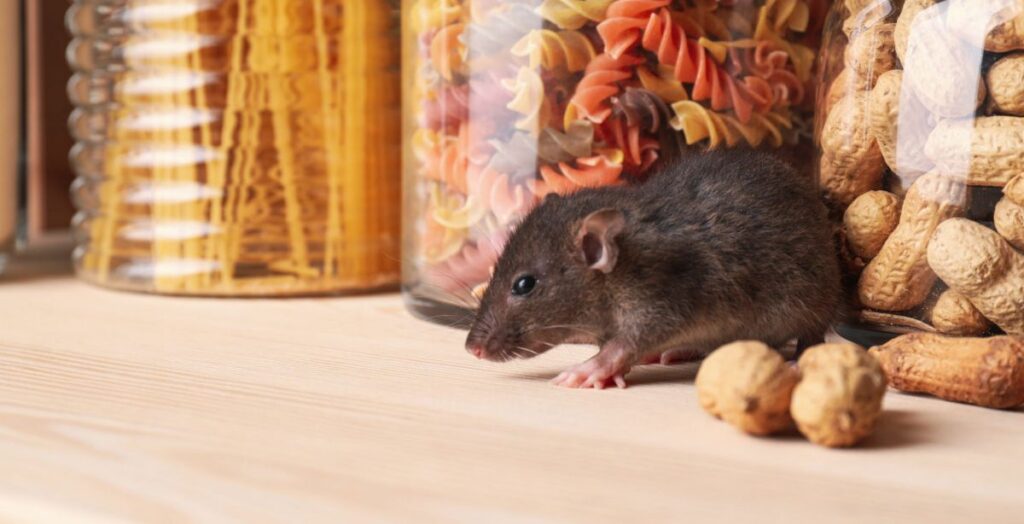
They usually start with rapid population knockdown using a mix of secure bait stations and targeted trapping. The exact balance depends on the setting, such as homes with pets, childcare centres, restaurants, warehouses, or strata complexes.
Traps can provide immediate confirmation of activity and quicker removal in sensitive areas. Bait stations are typically used where rats are travelling and feeding consistently, but only in tamper-resistant housings and only where risk is controlled.
How do they keep children, pets, and wildlife safe during treatment?
They manage safety through placement, containment, communication, and product choice. Most professional setups rely on lockable, tamper-resistant bait stations that are fixed in place and positioned away from pet access and public walkways.
They also adjust methods for wildlife risk, especially near bushland or waterways, and avoid casual “open baiting”. Clear instructions are provided to occupants, including what to do if a pet shows symptoms of ingestion and how to reduce attractants during the treatment window. Click here to learn more about 6 Early Termite Signs—Call a Specialist Before It Spreads.
What does “rat-proofing” actually involve?
It means sealing entry points and removing the easy pathways that allow rats to re-enter. For large-scale infestations, experts treat proofing as non-negotiable, because control without exclusion often becomes an endless cycle.
They seal gaps around pipes and conduits, repair broken vents, install mesh to weep holes where suitable, close roof entry points, and address door thresholds and damaged cladding. They also advise on trimming vegetation, lifting stored items off the ground, and improving bin hygiene to cut food access.
How do they handle rats in roofs and wall cavities without causing odours?
They reduce odour risk by using a plan that prioritises access, monitoring, and sensible product placement. Where possible, they favour methods that allow retrieval, such as trapping or baiting close to accessible inspection points.
They also locate likely nesting zones and advise on improving access for follow-up. If odour events occur, professionals can help identify the area and recommend remediation, but the main goal is preventing inaccessible deaths through better targeting and staged control.
How do they deal with infestations in businesses like restaurants and warehouses?
They focus on compliance, documentation, and minimal disruption while still acting quickly. In food premises, they often schedule visits around trading hours, place stations in service corridors and external perimeters, and target harbourage near storage and waste zones.
For warehouses and industrial sites, they map travel routes along walls, pallet racking edges, loading docks, and staff break areas. They also advise on stock rotation, spill management, and structural gaps that appear around roller doors and utility penetrations.
How long does large-scale rat removal take?
It typically takes multiple visits over several weeks, because the work includes knockdown, monitoring, proofing, and verification. The first phase is often about rapidly reducing activity, then tightening exclusion and removing attractants so numbers do not rebound.
Timelines vary based on property complexity, neighbouring pressure, weather, and how quickly proofing and housekeeping changes are implemented. Professionals generally set expectations early and adjust the plan using measured activity data. Read more about pest control.
What should they expect after treatment begins?
They should expect clearer evidence of what is happening, not guesswork. Experts usually track bait take, trap counts, sightings, and new droppings to show whether activity is falling and where pressure remains.
They may also see short-term changes in rat behaviour, such as movement into new areas when routes are blocked or food access is reduced. That is why follow-up matters, because the second and third visits often confirm that the site is actually trending towards zero activity.

How can they prevent a repeat infestation in Sydney?
They prevent repeat issues by combining exclusion, sanitation, and ongoing vigilance. In many Sydney suburbs, rats move between gardens, roofs, drains, and commercial waste zones, so prevention is about keeping the property harder to exploit than the next option.
They should keep bins sealed, remove fallen fruit, feed pets indoors where possible, store bird seed securely, and avoid clutter against external walls. Regular checks of roof lines, vents, and subfloor access points help catch new gaps before they become a full infestation again.
FAQs (Frequently Asked Questions)
What defines a large-scale rat infestation in Sydney properties?
A large-scale rat infestation typically involves repeated sightings, widespread droppings, multiple active runs, persistent scratching noises in ceilings or walls, or damage across several areas of a property. It is also considered large-scale if activity spreads across multiple flats, businesses, or connected buildings. Experts assume high pressure and respond with a comprehensive plan when problems persist despite DIY baiting or rats are seen during daylight hours.
How do professional rat removal teams identify the source of a rat infestation?
Experts use a combination of thorough site inspection, mapping, and evidence-based tracking to pinpoint harbourage sites, feeding points, travel routes, and exact entry holes sustaining the rat population. They look for signs such as rub marks, gnawing damage, grease trails, droppings (noting size and freshness), burrows, and compressed ‘rat runs’ along fences and edges. In roof voids and subfloors, they inspect insulation, beams, pipe penetrations, and gaps around eaves and vents to locate access points.
Why is a detailed site inspection crucial before implementing any baiting strategy?
Random baiting without proper inspection can prolong infestations and increase risks. Professionals need to identify the rat species involved, understand their feeding habits and movement patterns to place control measures effectively. Without this knowledge, bait may be ignored due to better food sources nearby, traps might be set in inactive zones, and rodents could die in inaccessible voids causing odour issues. Inspections also help minimise non-target exposure by enabling safer product choice and placement.
What methods do professionals use to reduce rat populations quickly yet humanely?
Professional teams typically begin with rapid population knockdown using a combination of secure bait stations and targeted trapping. The approach varies depending on settings such as homes with pets, childcare centres, restaurants, warehouses, or strata complexes. Traps offer immediate confirmation of activity and faster removal in sensitive areas while tamper-resistant bait stations are placed where rats consistently travel and feed—always ensuring risk is controlled through secure housing.
How do experts ensure the safety of children, pets, and wildlife during rat treatment?
Safety is managed through strategic placement of lockable tamper-resistant bait stations fixed securely away from pet access points and public walkways. Professionals adjust methods to mitigate wildlife risks especially near bushland or waterways by avoiding casual open baiting. Clear communication is provided to occupants about what steps to take if pets show symptoms from ingestion and how to reduce attractants during the treatment period.
What does effective ‘rat-proofing’ involve after infestation control?
‘Rat-proofing’ entails sealing all entry points and removing easy pathways that allow rats to re-enter properties. For large-scale infestations, proofing is essential to prevent endless cycles of reinfestation. Experts seal gaps around pipes and conduits, repair broken vents, install mesh over weep holes where suitable, close roof entry points, address door thresholds and damaged cladding. They also recommend trimming vegetation away from structures, lifting stored items off the ground, and improving bin hygiene to limit food access.